Mehndi Designs
For Every Occasion
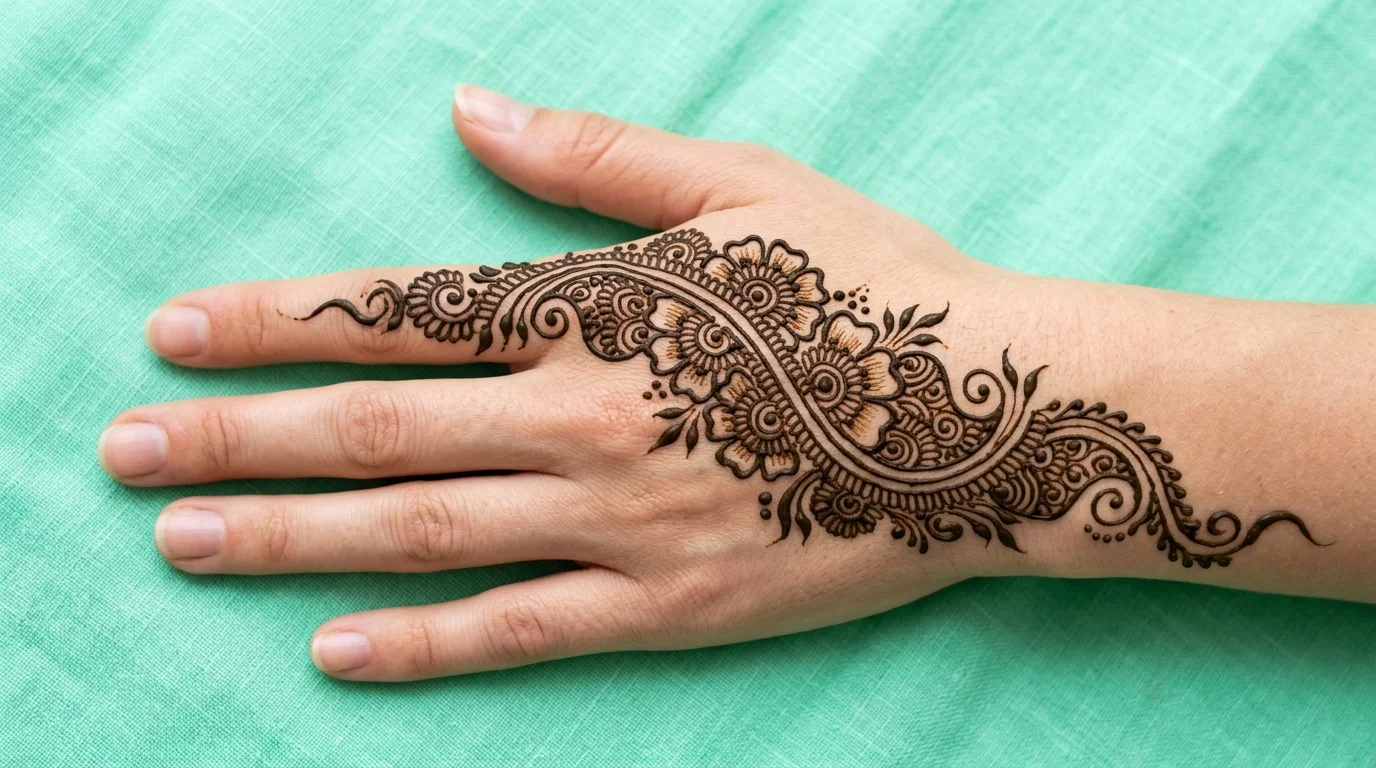
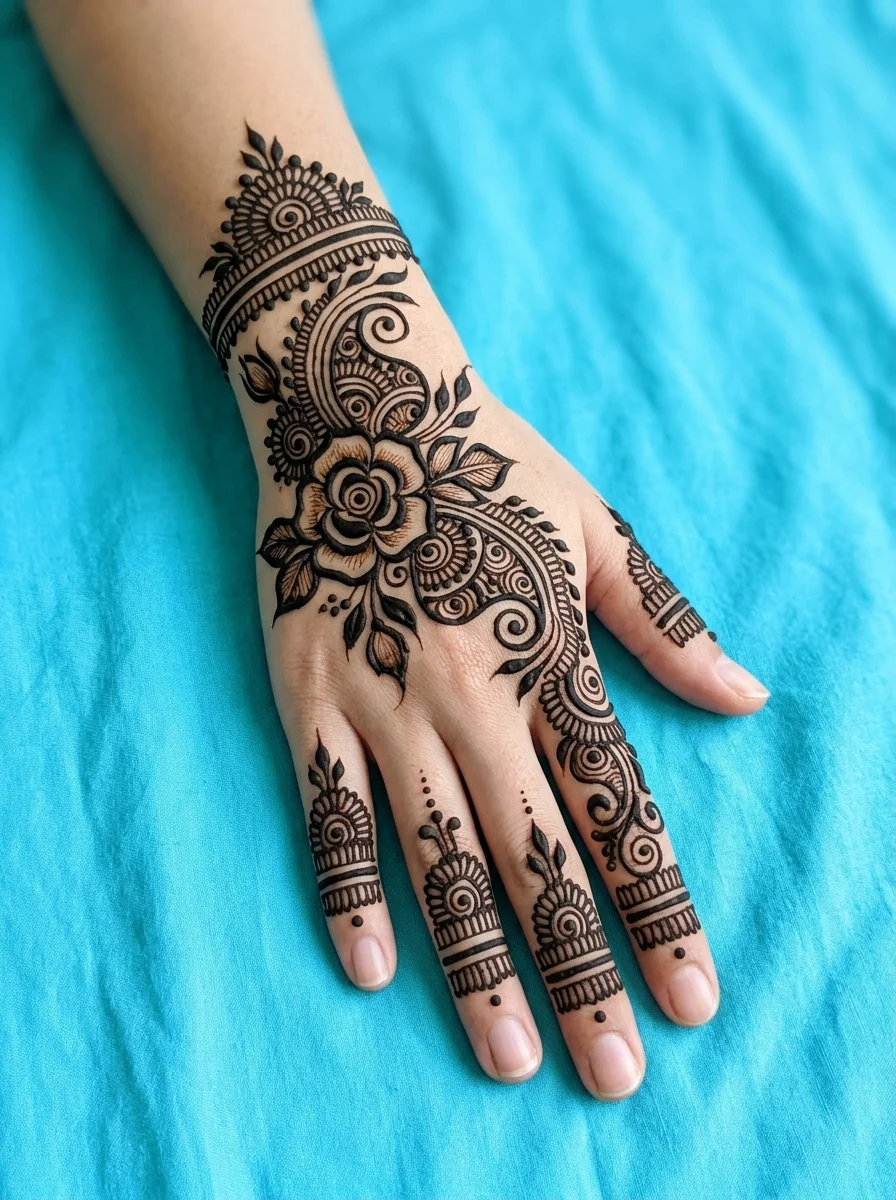
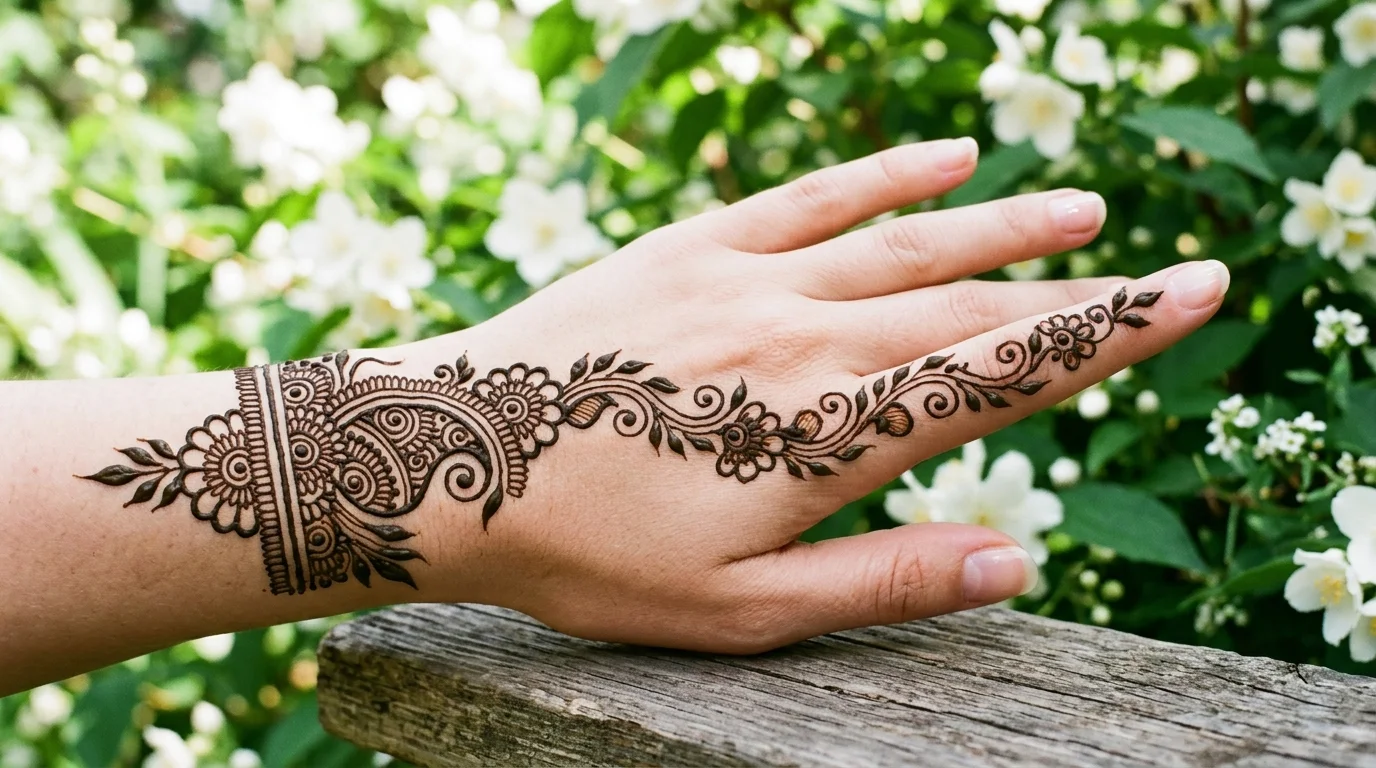
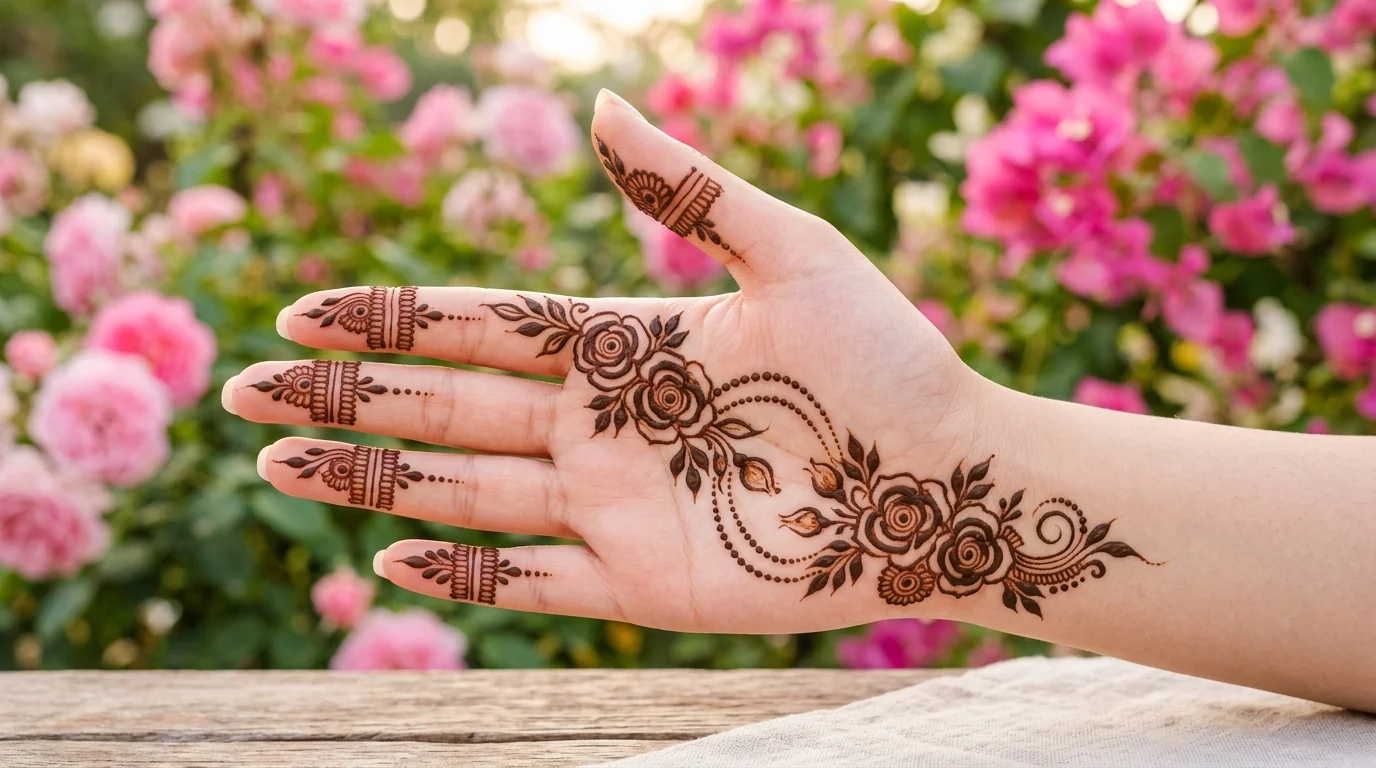
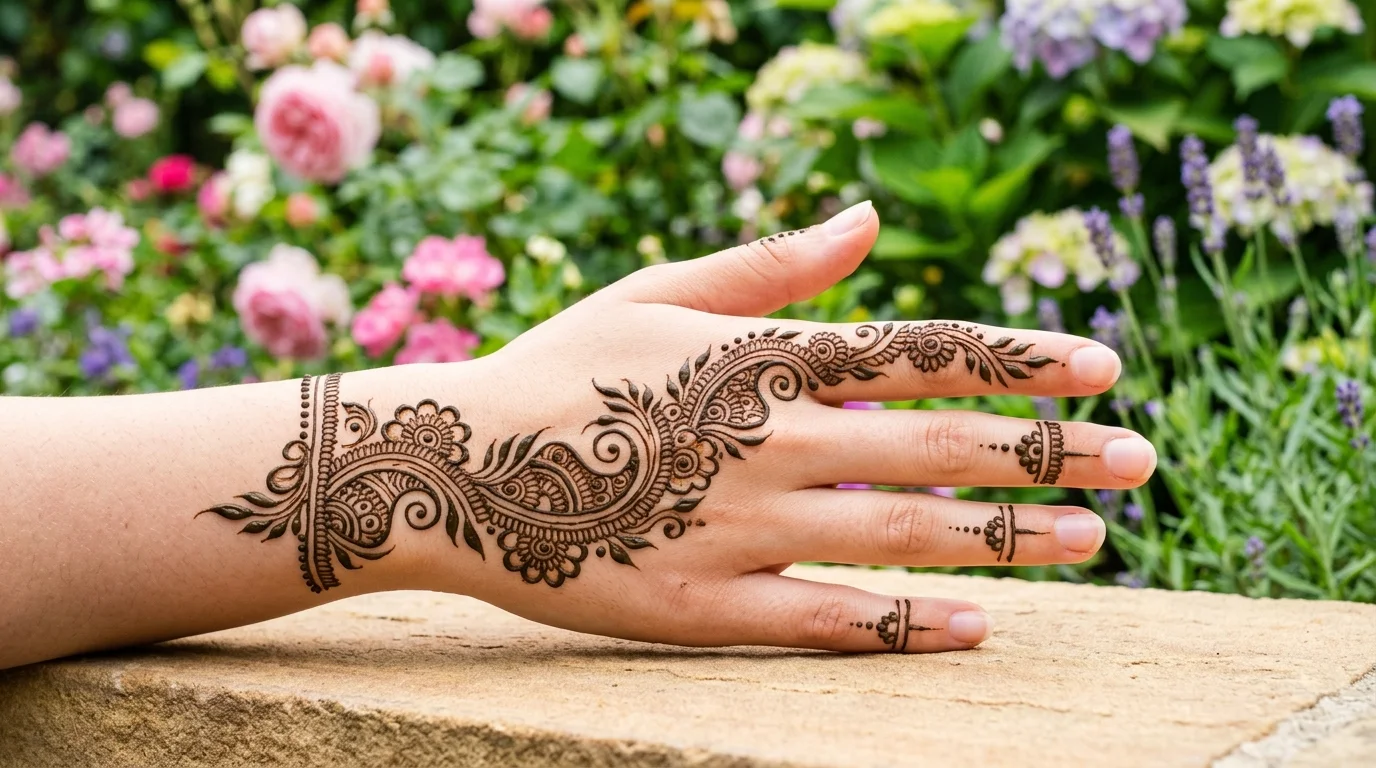
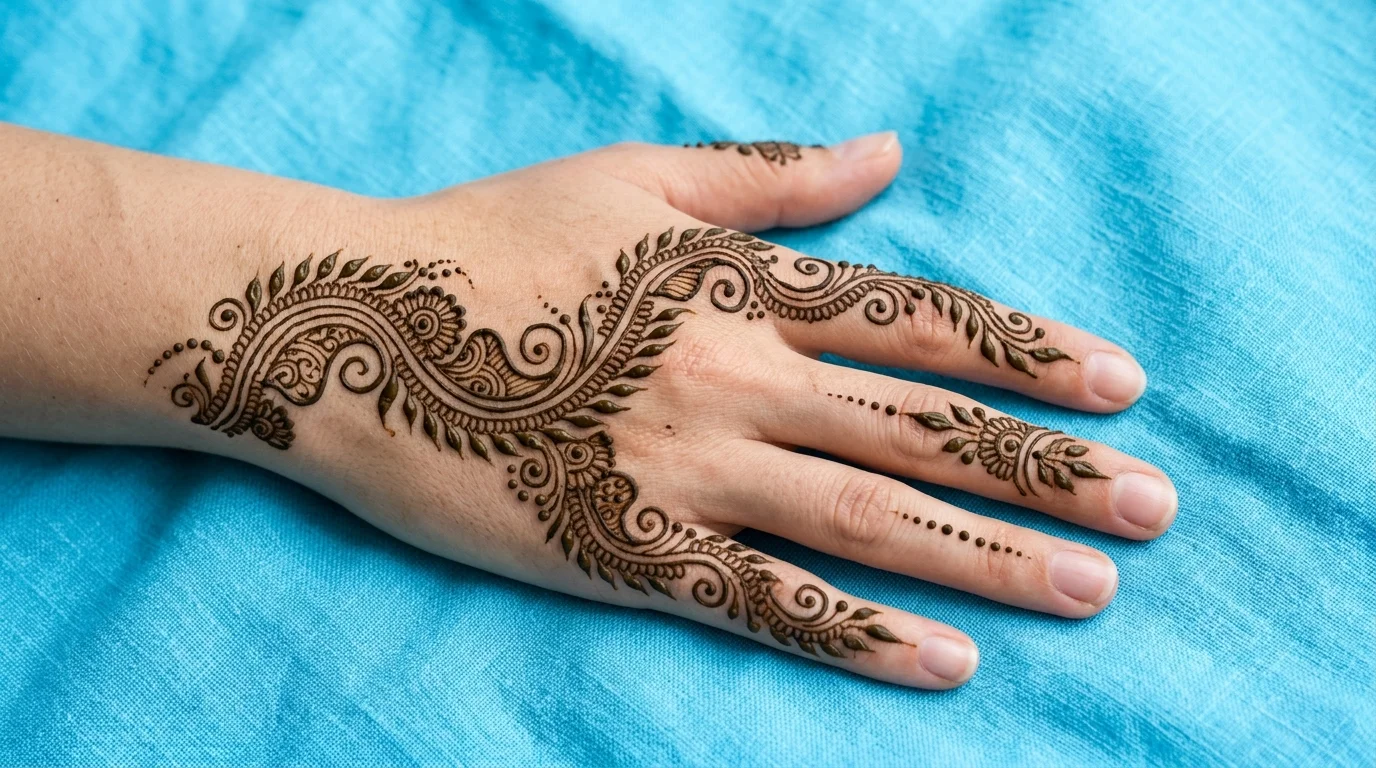
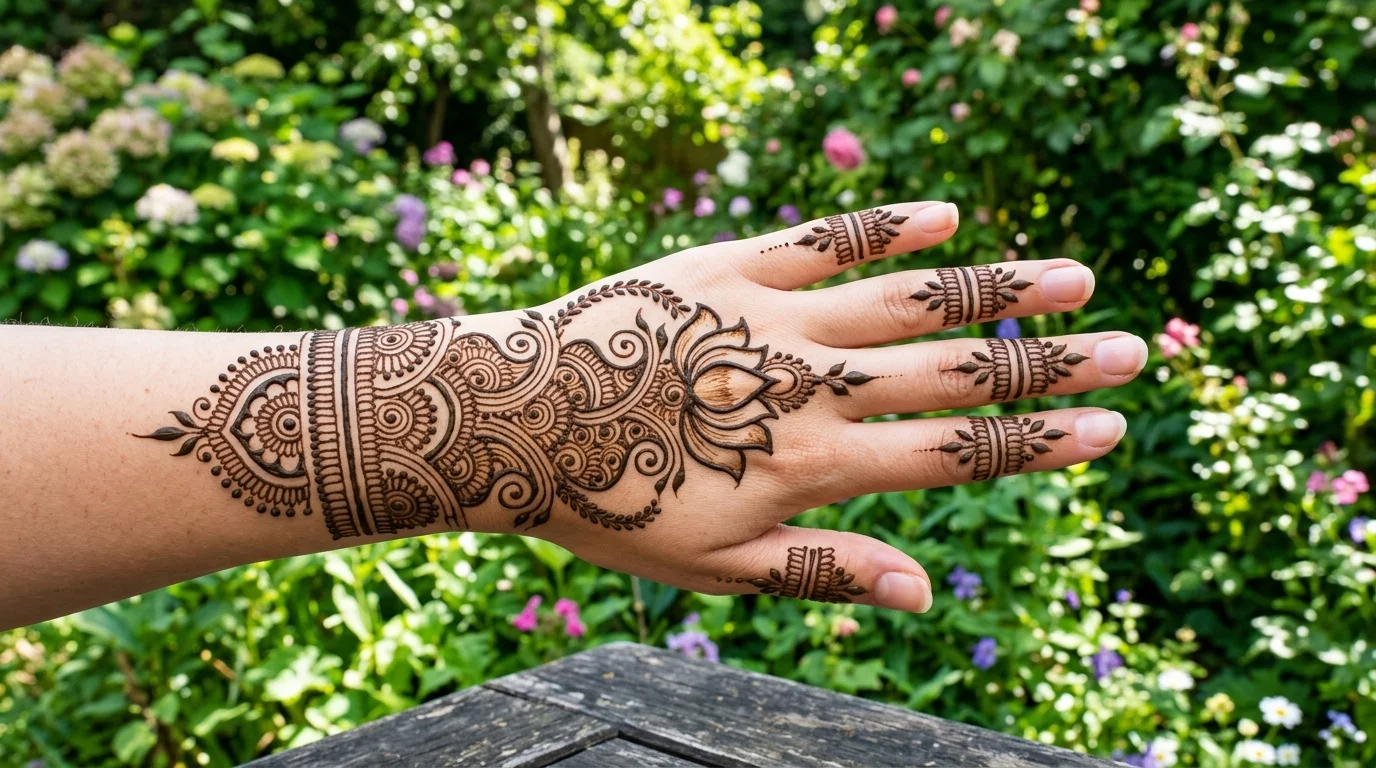
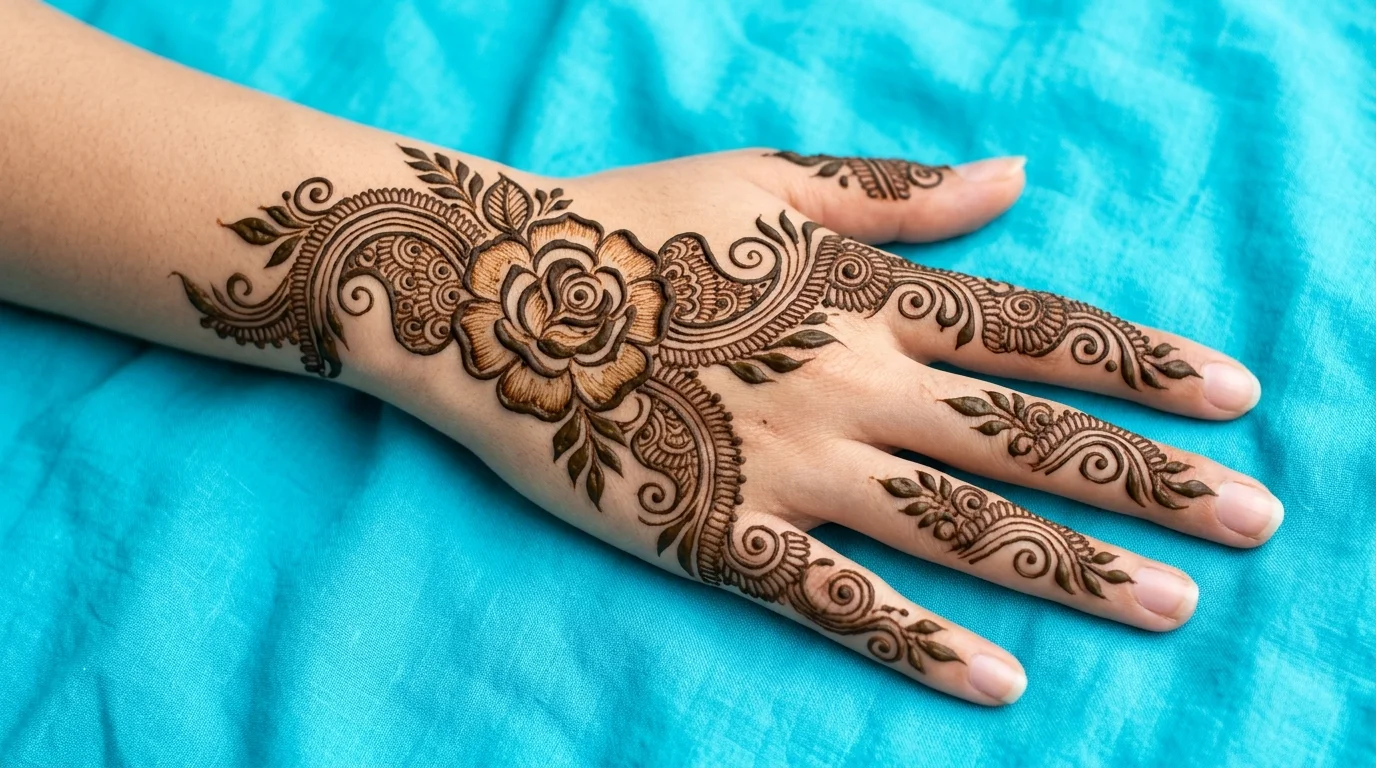
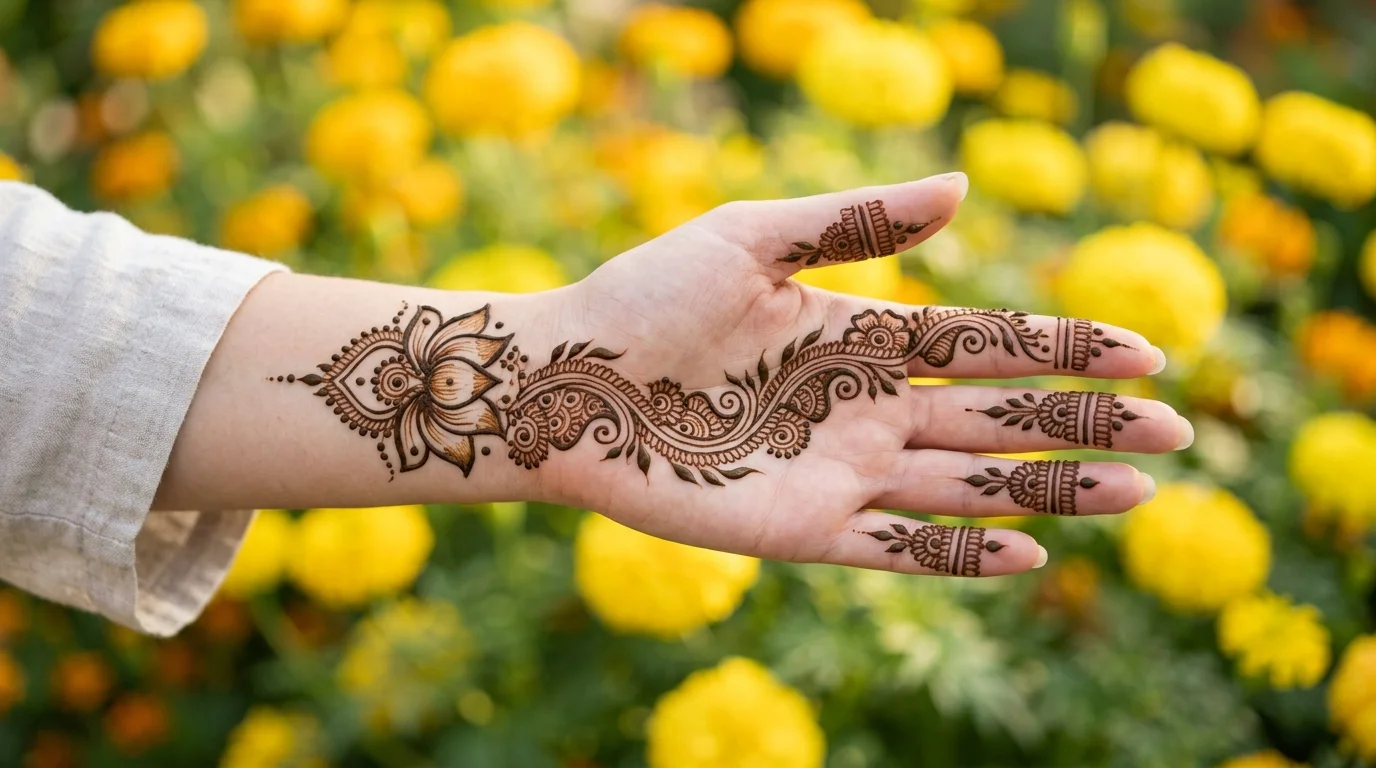
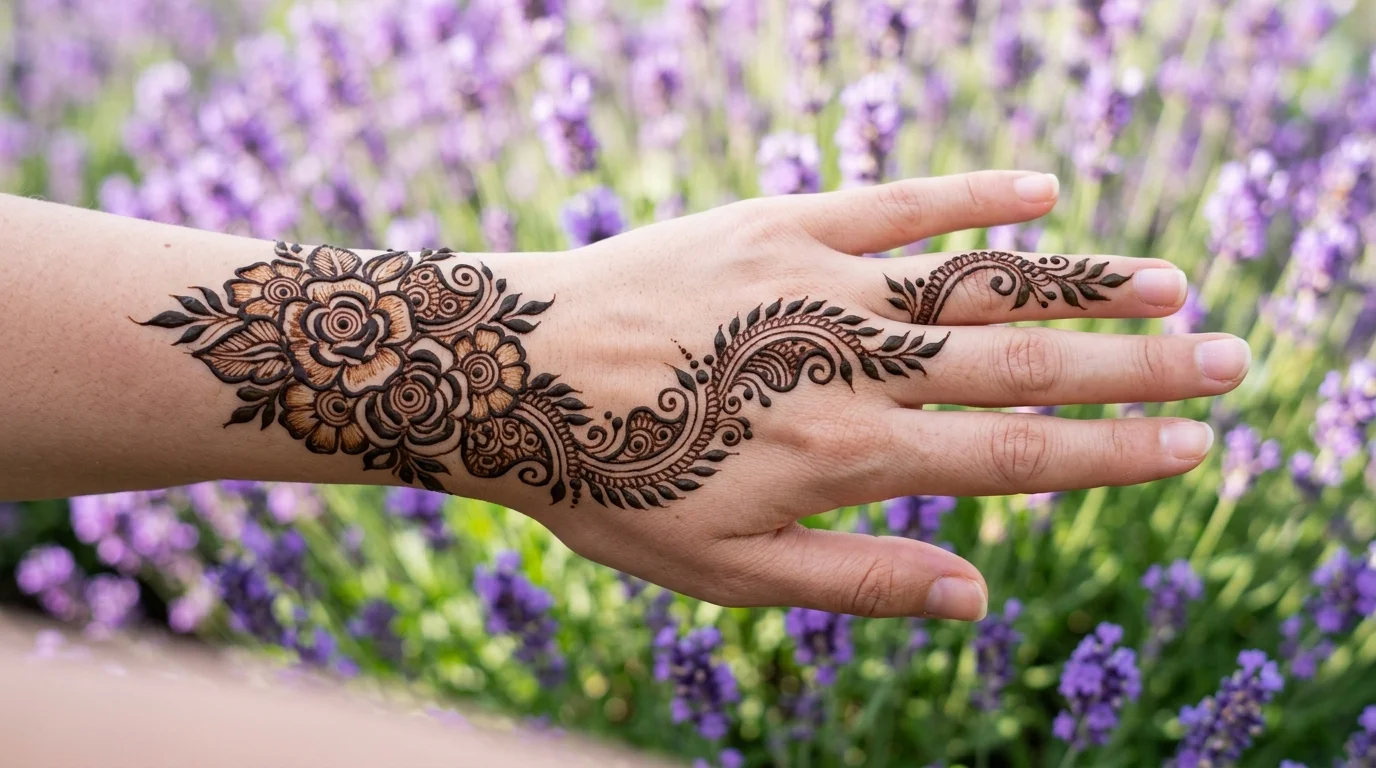
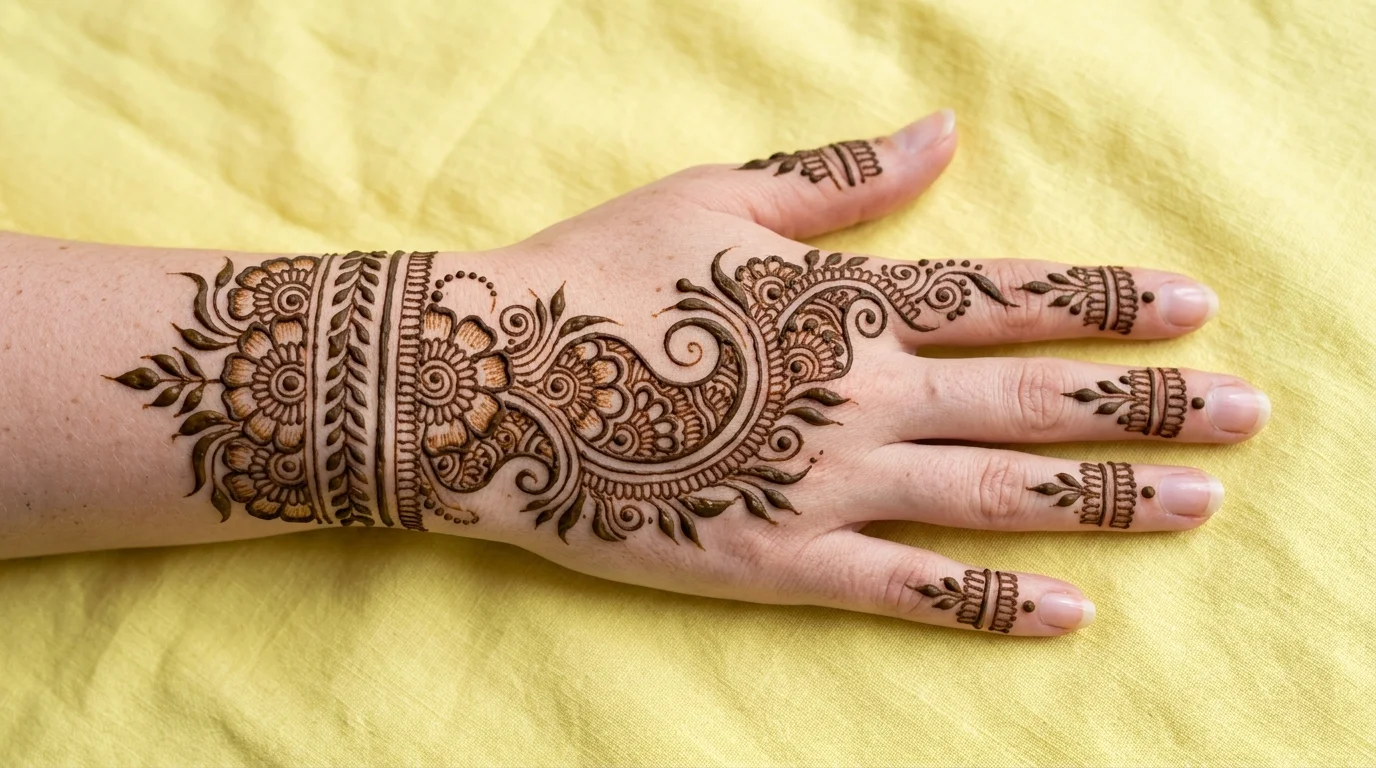
Explore the latest simple, Arabic, bridal, front hand, back hand, Eid, wedding, finger, full hand and mandala henna ideas. Save your favorites and find the perfect mehndi design for every occasion.
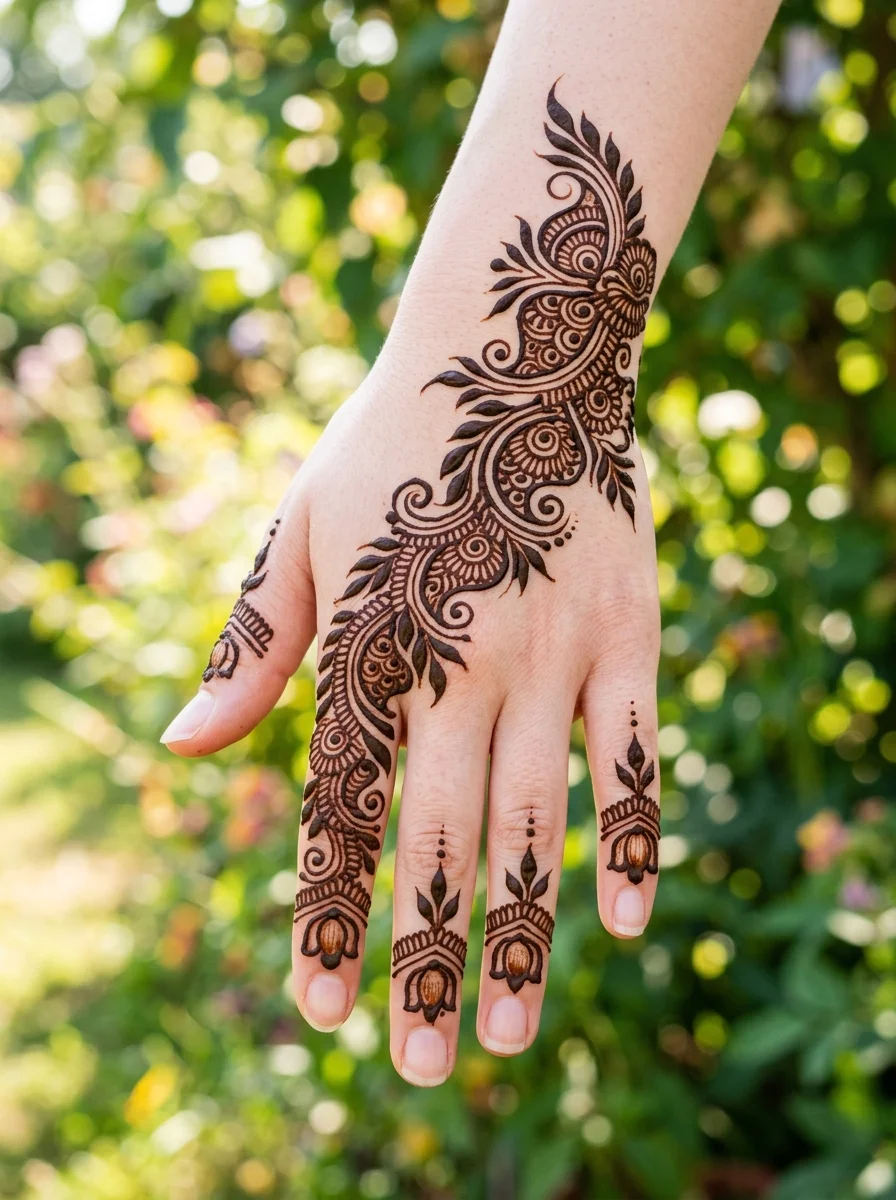
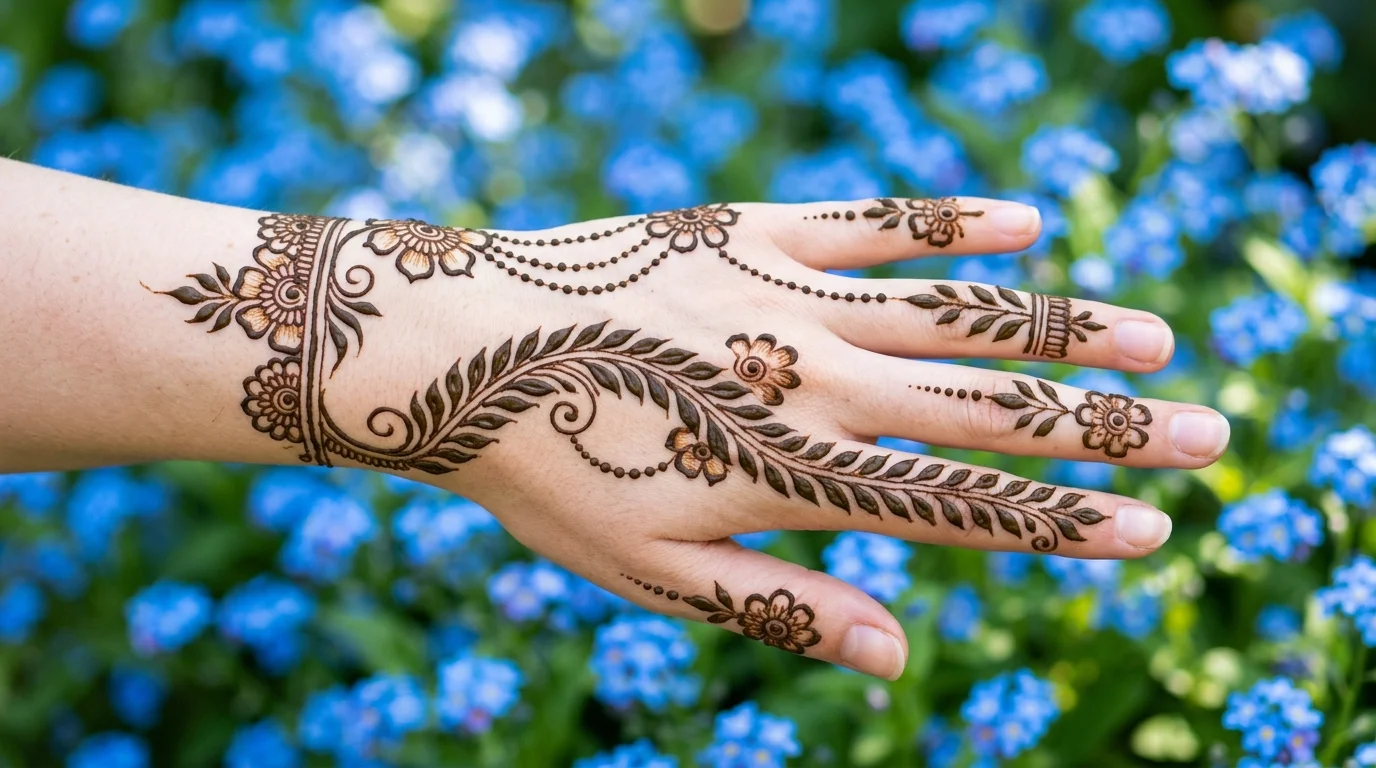
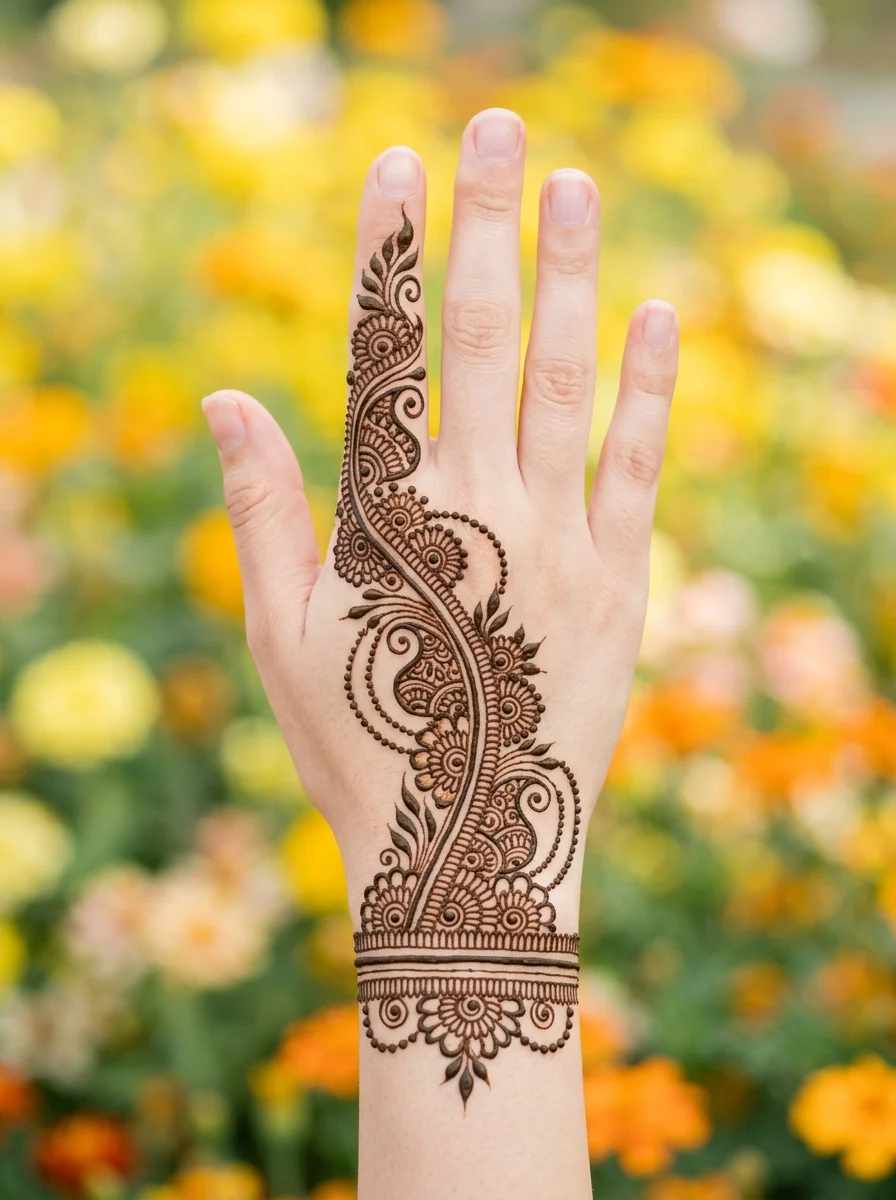
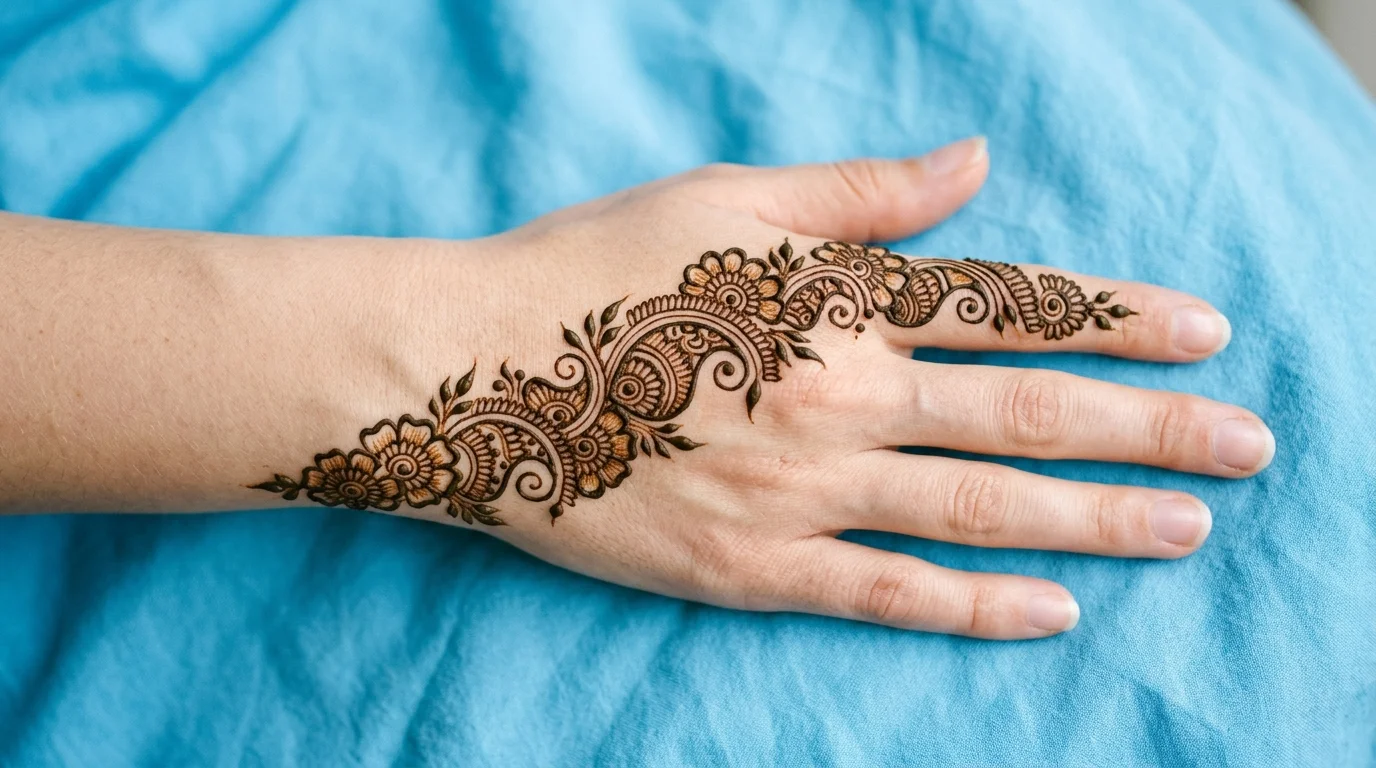
Browse Mehndi by Categories
Select a specific style category to dive deep into curated variations of henna art.
Mehndi Care & Style Tips
Get professional answers to frequently asked questions about staining, patterns, and safety.
To achieve a deep dark mahogany stain, leave the paste on your skin for at least 4-6 hours (ideally overnight). Before scraping it off, apply a warm mixture of lemon juice and sugar to seal the paste. After removing, avoid washing with water for the first 24 hours. Instead, apply coconut oil, mustard oil, or vapo-rub to protect the stain and generate heat.
Arabic mehndi designs are typically bolder, spaced out, and feature flowing floral trails (bel) with leaf vines and empty space. Bridal mehndi is extremely dense, intricate, and covers the hands and forearms completely, often incorporating traditional portraits, peacock motifs, mandalas, and checkered grids.
A natural henna stain typically lasts between 7 to 14 days, depending on how often it is exposed to water, soap, and friction. It is darkest on day 2 or 3 and gradually fades as your skin naturally exfoliates.
No. Avoid chemical henna, black henna, or products advertised as five-minute cones. They may contain PPD or industrial dyes that can cause serious skin reactions. Choose fresh, natural henna from a trusted source.
Natural mehndi paste takes about 20 to 30 minutes to dry to the touch. Even after drying, the paste needs to remain on the skin for several hours to transfer the dye properly.
Do not wash dried paste off with water. Gently scrape it away using a card or fingernails. A small amount of coconut or olive oil can help soften stubborn paste.
Yes. Once the natural paste is fully dry, protect it with breathable medical tape, tissue, or a loose cloth. Avoid airtight plastic wrap because trapped sweat can blur the design.
Henna stains darker on thicker skin. Palms and soles absorb more of henna's natural lawsone dye, producing a deeper color than thinner skin on the arms, legs, or back.